Clear Aligners Vs. Invisalign Which is Best for You
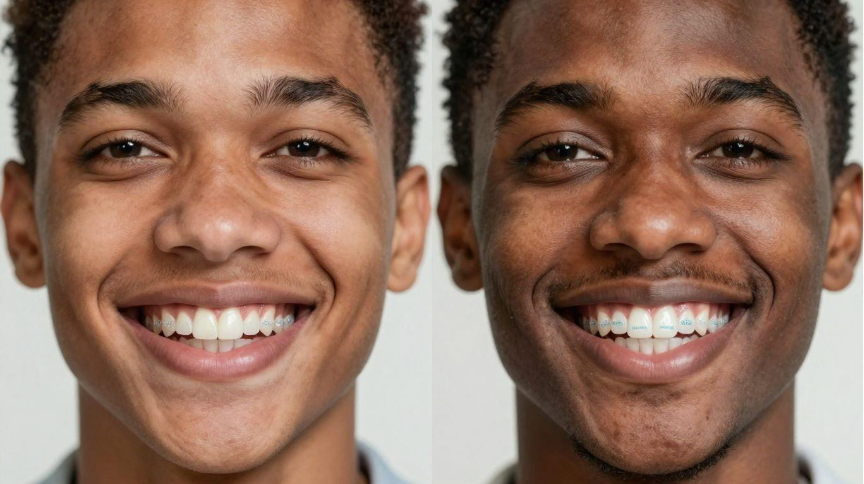
Deciding to straighten your teeth is a big step, and you've probably seen ads for clear aligners. They look so much better than the old metal braces, right? But then you hear terms like Invisalign and other clear aligners, and it gets a little confusing. Is Invisalign just a type of clear aligner, or is it something totally different? This article breaks down the differences between Invisalign and other clear aligner options, helping you figure out which might be the best choice for your smile.
Key Takeaways
- Invisalign is a specific brand of clear aligners, known for its proprietary technology and extensive history in the market.
- Other clear aligner brands, like ClearCorrect, offer similar benefits but may differ in material, price, and specific technological features.
- Both Invisalign and other clear aligners use custom-made plastic trays to gradually shift teeth, offering a discreet alternative to traditional braces.
- Treatment time for both Invisalign and other clear aligners typically ranges from 6 to 18 months, depending on the complexity of the case.
- Choosing between Invisalign and other clear aligners often comes down to factors like the complexity of your orthodontic needs, budget, and personal preference for brand or specific features.
Choosing a Clear Path to a Straighter Smile
Thinking about straightening your teeth but not keen on traditional braces? You're not alone. Many people are looking for a more discreet and comfortable way to get that smile they've always wanted. Clear aligners have become a really popular choice, and for good reason. They offer a way to move teeth gently over time without the wires and brackets.
The goal is always a healthier, more aligned smile, and the journey to get there can be surprisingly straightforward. When you're looking at options like Invisalign and other clear aligner systems, it's easy to get a bit lost in all the details. What makes one different from the other? How do you know which one will work best for your specific needs and lifestyle?
It's not just about appearance, though that's a big part of it for many. Straightening teeth can also help with how your bite works and make cleaning easier, which is good for your overall oral health.
Deciding on the right orthodontic treatment is a personal choice. It involves looking at what you want to achieve with your smile, how much time you have, and what fits into your daily routine. Taking the time to understand the different types of clear aligners available is the first step toward making a confident decision.
Here's a quick look at what makes clear aligners a good option:
- Discreet Appearance: They are made of clear plastic, making them much less noticeable than metal braces.
- Removable: You can take them out to eat, drink, and brush your teeth, which makes things simpler.
- Comfort: Generally, they are smoother and less irritating than braces.
- Fewer Food Restrictions: Since you remove them for meals, you don't have to worry as much about what you eat.
Ultimately, the best path is one that gets you the results you want while fitting into your life. Understanding the differences between the available clear aligner options is key to finding that perfect fit.
What Is Invisalign?
Invisalign is a well-known brand in the world of clear aligners. Think of it as the original player in this space, having been around for quite some time. It uses advanced 3D technology to create custom-made trays, or aligners, that gently move your teeth into a straighter position.
The main idea behind Invisalign is to offer a discreet alternative to traditional metal braces. You wear these clear aligners for most of the day and night, taking them out only when you need to eat or brush your teeth. Every couple of weeks, you'll switch to a new set of aligners, and this gradual process helps your teeth shift into their desired place. Over time, you'll start to see the changes, and many people find that others notice the improvement too.
Here's a quick look at how Invisalign works:
- Custom Fit: Each set of aligners is made specifically for your teeth using digital scans.
- Gradual Movement: A series of aligners are used, with each one applying gentle pressure to move teeth incrementally.
- Removable: You can take them out for meals, drinks, and cleaning, making it easier to maintain oral hygiene.
- Predictable Results: Treatment plans are often visualized beforehand, so you can see what your smile might look like after treatment.
When people talk about Invisalign treatment time, it can vary quite a bit depending on the complexity of your case. Some treatments might be shorter, while others could take longer. It's all about what your teeth need to get to that straighter smile you're looking for.
What Are Clear Aligners (Non-Invisalign Options)?
When people talk about straightening their teeth without metal braces, they often use the term "clear aligners." It's a broad category, and Invisalign is actually a brand within that category. But there are other companies making clear aligners too, and they work pretty much the same way. These are custom-made, transparent plastic trays that fit snugly over your teeth. You wear them for most of the day, taking them out only to eat and brush your teeth. Each set of aligners is designed to gently shift your teeth a little bit over time. You'll switch to a new set every couple of weeks, and with each new set, your teeth move closer to their final, straighter position.
Think of it like this: traditional braces are like a fixed scaffolding that pulls your teeth. Clear aligners, on the other hand, are more like a series of gentle nudges. They apply consistent, controlled pressure to move teeth into place. This gradual movement is what makes them so effective for many people seeking a straighter smile.
The main goal of any clear aligner system is to provide a discreet and comfortable way to achieve orthodontic correction. They are made from smooth plastic, which is generally more comfortable than the metal wires and brackets of traditional braces. Plus, because you can remove them, it's easier to keep your teeth clean and continue enjoying your favorite foods without worry.
Here's a quick look at what makes these non-Invisalign clear aligners a popular choice:
- Custom Fit: Each aligner is made specifically for your teeth using digital scans, so they fit precisely.
- Removable: You can take them out to eat, drink (anything other than water), and brush your teeth, making hygiene simpler.
- Nearly Invisible: They are made of clear plastic, making them very hard to notice when you're wearing them.
- Gradual Movement: A series of aligners are used, with each one moving your teeth incrementally towards the desired outcome.
While Invisalign is a well-known name, other brands offer similar technology and results. These alternatives often provide a comparable treatment experience, focusing on the same principles of gradual tooth movement through custom-fit clear trays. The best clear aligners, regardless of brand, aim to make the orthodontic journey as smooth and unobtrusive as possible for the patient.
Key Differences: Clear Aligners vs. Invisalign
When you're looking into straightening your teeth with clear aligners, you'll hear the terms "Invisalign" and "clear aligners" used a lot. It can get a bit confusing because Invisalign is actually a brand of clear aligner, and it was one of the first on the market. Think of it like "Kleenex" for tissues – it's a specific brand, but people often use the name to refer to all similar products.
So, what sets Invisalign apart from other clear aligner options, sometimes referred to as "clear correct aligners vs Invisalign"? It really comes down to a few things:
- Material and Technology: Invisalign uses a proprietary material called SmartTrack. They say this material is designed for better comfort and more predictable tooth movement. Other brands might use different plastics, which can affect how they feel and how well they stain-resistant.
- Treatment Planning: Invisalign uses software called ClinCheck, which is known for its detailed planning capabilities. This can be a big plus for more complex cases. Other systems have their own planning software, and the level of detail can vary.
- Case Complexity: Because Invisalign has been around for a while and has extensive research behind it, it's often considered a good option for more complex orthodontic issues. While many other clear aligners can handle a wide range of problems, some very intricate movements might be better suited for Invisalign.
- Cost: Generally, Invisalign tends to be more expensive than other clear aligner brands. This is common for established, well-known brands. If budget is a major concern, exploring other clear aligner options might be worthwhile, but it's important to compare apples to apples.
- Availability of Professionals: Invisalign has a huge network of trained dental professionals. This means you're likely to find someone experienced with the system pretty much anywhere. Other brands might have a more limited network.
Here's a quick look at some general differences:
- Brand Recognition – Invisalign: Very High | Other Clear Aligners (e.g., ClearCorrect): Varies, some well-known, some less so
- Material – Invisalign: Proprietary SmartTrack | Other Clear Aligners: Varies (e.g., ClearQuartz)
- Planning Software – Invisalign: ClinCheck | Other Clear Aligners: Varies (e.g., ClearPilot)
- Cost – Invisalign: Generally Higher | Other Clear Aligners: Generally Lower
- Case Complexity – Invisalign: Often preferred for complex cases | Other Clear Aligners: Can handle many cases, may vary for complex
It's important to remember that while Invisalign is a leading brand, many other clear aligner systems offer excellent results. The best choice often depends on your specific dental needs, the complexity of your case, and your budget. Always discuss these differences with your dental professional to make an informed decision about Invisalign vs clear aligners.
Ultimately, whether you choose Invisalign or another brand of clear aligners, the goal is the same: a straighter, healthier smile. The key is finding the system that best fits your individual situation and working closely with a qualified dental provider throughout your treatment.
Candidacy: Which Option Is Right for You?
Deciding between Invisalign and other clear aligner brands like ClearCorrect really comes down to what works best for your specific situation. It's not a one-size-fits-all kind of thing, you know? Both systems are designed to straighten teeth, but they can be better suited for different needs.
Generally, if you have more complex orthodontic issues, like significant bite problems or very crowded teeth, Invisalign might be the preferred choice. This is often because the brand has a longer history and a more established system for handling intricate tooth movements. They also have advanced tracking tools that dentists can use to monitor progress very closely.
On the other hand, if your dental concerns are milder – think minor crowding, small gaps, or slight misalignments – other clear aligner systems can be just as effective. These options sometimes come with a more budget-friendly price tag, which is a big plus for many people. They can also be a great fit if you're looking for a comfortable, discreet way to get a straighter smile without the complexity of more involved cases.
Here's a quick look at who might lean towards which:
- Consider Invisalign if:
- You have a complex bite issue or significant crowding.
- You want the most well-known brand name in clear aligners.
- Your dentist emphasizes the need for highly precise tracking and advanced software.
- Consider other clear aligners (like ClearCorrect) if:
- Your case involves mild to moderate crowding or spacing.
- You're looking for a potentially more affordable treatment.
- You prioritize a slightly different feel or material in your aligners.
Ultimately, the best way to figure out which system is your best bet is to talk to a dental professional. They can look at your teeth, discuss your goals, and explain which aligner technology will give you the results you're hoping for. It’s all about finding the right path for your unique smile journey.
Making Your Choice
So, when it comes down to it, both Invisalign and other clear aligners can help you get straighter teeth. Invisalign is a well-known brand with its own special tech, which might be better for really tricky alignment problems. But, if you're watching your budget or your needs are simpler, other clear aligner brands can be a great, more affordable choice. The most important thing, no matter which you lean towards, is talking to your dentist. They can look at your teeth, talk about what you want, and help you figure out the best path forward for your smile. It’s not a one-size-fits-all situation, and getting professional advice is key to getting the results you’re hoping for.
Frequently Asked Questions
What is the main difference between Invisalign and other clear aligners?
Invisalign is a specific brand of clear aligners that uses its own unique technology, like SmartTrak, which some people find more comfortable. Other clear aligner brands might offer similar results but could be less expensive or have different features. Think of it like comparing a specific brand of smartphone to other smartphones on the market – they all do similar things, but there are differences in how they do them and their price.
Can any clear aligner fix really crooked teeth?
Invisalign, being a leading brand, is often designed to handle a wider range of teeth alignment issues, including more complex problems. Simpler or less expensive clear aligner brands might be better suited for minor adjustments or cosmetic touch-ups. For severe issues, a brand with specialized technology or a dentist's direct supervision might be more effective.
Are all clear aligners the same price?
No, there can be a noticeable price difference. Invisalign, as the well-known market leader, often comes with a higher price tag. Other clear aligner brands may offer a more budget-friendly option. When comparing prices, it's important to make sure you're comparing similar treatments, like whether they cover both top and bottom teeth or the total treatment time.
Do I need to see a dentist for all clear aligner treatments?
Some clear aligner companies allow for remote treatment, where you might take your own teeth molds and mail them in. However, seeing a dentist or orthodontist in person for a consultation is generally recommended. This face-to-face check ensures the aligners are the best fit for your needs and increases the chances of the treatment working as expected.
How long does treatment usually take with clear aligners?
Treatment times for both Invisalign and other clear aligners are often similar, typically ranging from about 6 to 18 months. This can vary greatly depending on how much your teeth need to move and how consistently you wear the aligners. Your dentist or orthodontist will give you a more precise timeline based on your specific situation.
Are clear aligners comfortable to wear?
Both Invisalign and other clear aligners are generally made from smooth plastic designed for comfort. Some brands, like Invisalign with its SmartTrak technology, claim to offer enhanced comfort and easier removal. However, comfort can be subjective, and some people might find one brand's fit or material slightly better than another's.
Blog Post Author

Contributed by DentalROI
DentalROI provides relevant dental content to help providers educate patients. The statements, services, and products referenced in this article have not been evaluated by the Food and Drug Administration, and they are not intended as a substitute for professional medical advice, diagnosis, or treatment. Always seek the advice of your dental provider with any questions or issues you may have. Specific recommendations may vary in different circumstances, so individual consultation is important.
