Do Dental Implants Hurt? Everything You Need to Know
Thinking about dental implants but worried about the pain? It's a common question, and many people put off fixing their smiles because of fear. You might be picturing discomfort, but the reality is often much different. Modern dental implant procedures are designed to be as comfortable as possible, and the results can be life-changing. Let's break down what you can expect regarding pain, from the procedure itself to the recovery period, so you can make an informed decision about your oral health.
Key Takeaways
- The question "do dental implants hurt?" is common, but most patients find the procedure itself painless due to local anesthesia.
- Pain after the dental implant procedure is expected but manageable, typically peaking within 48-72 hours.
- Discomfort usually subsides significantly within a week to ten days.
- Modern techniques and anesthesia mean that dental implants often hurt less than many people imagine—frequently less than a tooth extraction.
- Persistent or worsening pain is not normal and warrants a call to your dentist.
What Dental Implants Are and Why They’re Used
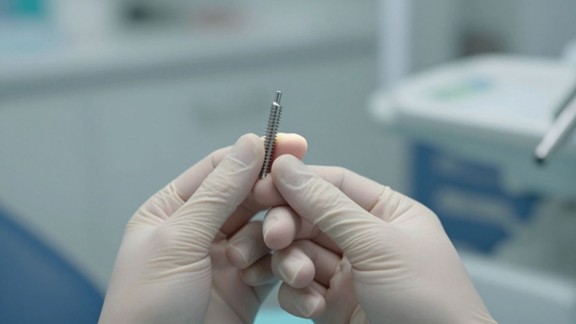
Dental implants are artificial tooth roots, typically made from titanium, that are surgically placed into your jawbone. This metal post acts as a sturdy foundation for a replacement tooth, often called a crown. Unlike traditional dentures or bridges, implants become a permanent part of your jaw.
Here’s a breakdown of why they are a popular choice:
- Artificial Root: Mimics the root of a natural tooth.
- Osseointegration: Your jawbone fuses with the titanium, creating a rock-solid base.
- Stability: They won't slip around when you talk or eat.
- Longevity: Implants are designed to be a permanent solution and do not decay.
Do Dental Implants Hurt During the Procedure?
The short answer is generally no. Before the procedure begins, the area is thoroughly numbed with local anesthetic. You should not feel any pain while the implant is being placed. For those with significant anxiety, additional options like oral or IV sedation can help you remain completely relaxed.
Many patients describe the sensation as feeling no worse than a routine dental cleaning or a simple filling. Advanced 3D imaging allows for great precision, which further minimizes trauma to surrounding tissues.
What to Expect After Dental Implant Surgery
It is normal to experience some discomfort once the anesthesia wears off. Most patients find that soreness and swelling are manageable with over-the-counter pain relievers or those prescribed by your dentist.
- First 24-72 Hours: This is the peak of swelling and discomfort. Cold compresses (20 minutes on, 20 minutes off) are highly effective.
- Diet: A soft diet (smoothies, yogurt, soups) is recommended to avoid disturbing the site.
- Oral Hygiene: Gentle cleaning is necessary, but avoid brushing directly on the surgical site for the first few days.
Factors That Influence Your Recovery Experience
Several factors can play a role in how smoothly your recovery goes:
- Overall Health: Chronic conditions like diabetes can slow healing time.
- Smoking: This significantly increases the risk of discomfort and implant failure.
- Surgical Complexity: Multiple implants or bone grafting may lead to a slightly longer healing period.
- Oral Hygiene: Poor cleaning increases the risk of infection, which can cause pain.
Frequently Asked Questions
How long does the pain usually last?
Most patients find that any significant discomfort fades within three to seven days. By the end of the first week, many people feel back to their normal routine.
What's the most uncomfortable part of getting an implant?
For many, the anticipation is the hardest part. Physically, the most common discomfort occurs in the first few days after surgery as the body begins the healing process.
Can I take pain medication after the procedure?
Absolutely. Common over-the-counter options like ibuprofen or acetaminophen are usually very effective for managing the dull ache associated with recovery.
When should I be concerned?
While some soreness is expected, severe or worsening pain that doesn't respond to medication is not. If you notice intense pain, significant redness, or fever, contact your dentist right away.
Your Comfort is the Priority
Modern dental techniques have turned implant placement into a highly predictable and comfortable procedure. The long-term benefits—restored confidence and the ability to eat whatever you like—far outweigh a few days of mild soreness.
Blog Post Author

Contributed by DentalROI
DentalROI provides relevant dental content to help providers educate patients. The statements, services, and products referenced in this article have not been evaluated by the Food and Drug Administration, and they are not intended as a substitute for professional medical advice, diagnosis, or treatment. Always seek the advice of your dental provider with any questions or issues you may have. Specific recommendations may vary in different circumstances, so individual consultation is important.
